Daayra (2026): Meghna Gulzar’s Cop-vs-Cop Thriller Blinks First
Four men are dead in an encounter the whole city is applauding, and Meghna Gulzar opens Daayra not on the bodies but on the cheering. It is the film’s sharpest instinct: show us a hero’s welcome, then spend 143 minutes quietly asking who paid for the garlands. That instinct nearly carries the movie. Nearly.
Verdict up front, because the film itself is structured as a verdict: this is a thoughtful, well-acted, deliberately unshowy procedural that sets up the most urgent argument in Indian crime cinema, due process versus the encounter, and then, fatally, declines to finish it. 3/5. Worth your ticket if you want performances and craft; maddening if you want an answer.
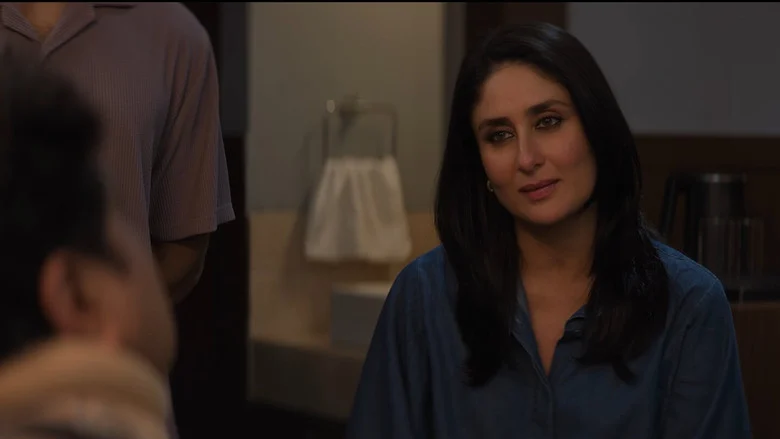
The Case File: What Actually Happens
DCP Raman Kumar (Prithviraj Sukumaran) and his team gun down four men accused of raping and murdering Ragini Pujari. The public celebrates. Internal Vigilance then sends DCP Ajooni Kohli (Kareena Kapoor Khan) to investigate whether the encounter was an encounter or an execution, and the film’s engine turns on a simple, elegant device: Ajooni investigates backwards, reassembling the timeline while Raman’s account quietly comes apart at the seams.
The interrogations are where Daayra is at its most confident. Gulzar and her co-writers, Sima Agarwal and Yash Keswani, stage these as attrition rather than explosion, no slammed tables, just inconsistencies accumulating like damp. Paired with CCTV inserts and rear-view mirror compositions that visually rhyme the accused’s past with the cops’ present, the middle stretch achieves a slow-burn unease that few Hindi procedurals bother to engineer. The film’s thesis line lands early and cleanly: “System change hote hain Vishal, log nahi. Attitude kaise change karoge?” It’s the rare dialogue that states the theme without flattening it.
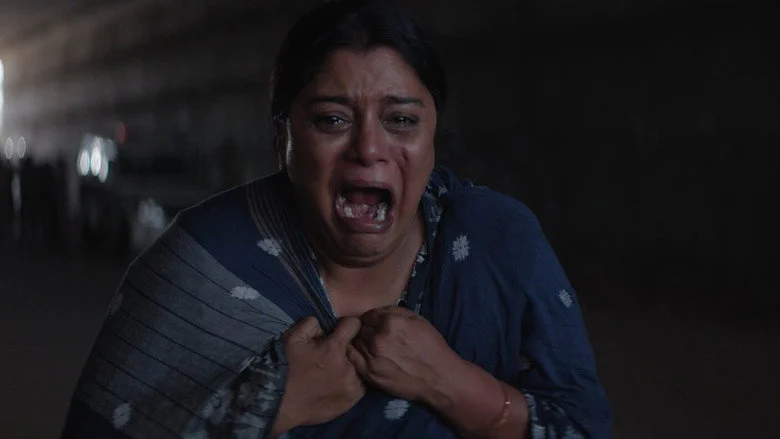
And then there’s Kshitee Jog as Parvati Pujari, Ragini’s mother, who gets the film’s most genuinely destabilising scene, confronting Raman with the idea that for a parent, justice doesn’t end at an arrest. It’s raw, unactorly, and briefly threatens to turn the movie into something fiercer than it wants to be.
Two Cops, One Missing Argument
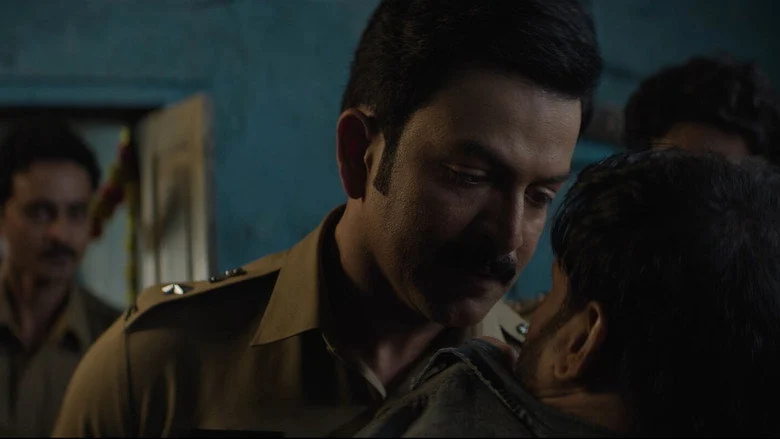
Prithviraj Sukumaran is the film’s spine. His Raman is contained, ideological, never a snarling vigilante, he believes he’s the system’s last honest instrument, and Prithviraj plays the conviction without a wink. In the team-leadership beats and the climactic face-off, he out-acts the film around him. Critics noticed; CNBC TV18 flatly declared that “Prithviraj Sukumaran outshines Kareena Kapoor in Meghna Gulzar’s cop-vs-cop thriller.”
That’s harsh but not baseless. Kareena’s Ajooni is written as a procedural function, the auditor, the conscience with a clipboard, and the performance, however controlled, never quite locates the woman beneath the designation. The script gives Prithviraj an ideology; it gives Kareena a job description. When the two finally collide, the cross-cut confrontation is formally the film’s best-constructed sequence and emotionally its most underpowered, because only one of them has been allowed to be a person.
Daayra also pulls its punches where it matters most. The film flirts with indicting the encounter, then retreats into symmetry, both sides have a point, the law will take its course, and the irony of that phrase curdles into something closer to fence-sitting. As The Times of India put it, the film “needed to dig deeper into what happens when extrajudicial action… undermines the very system of justice.” Bollywood Hungama was blunter still: “DAAYRA has a strong premise and performances, but a stretched second half and weak climax dilute its impact.” The second half sags precisely because the argument stops advancing and starts repeating.
Two other craft notes. The flashbacks detailing the rape are gratuitously graphic, a miscalculation in a film this otherwise restrained, and the one element audiences and critics alike flagged as exploitative rather than illuminating. And the closing statistics card, while well-intentioned, converts a moral inquiry into a public-service announcement at the exact moment the film should be trusting its own ambiguity.
For a director who has built a career on holding opposing truths in tension, Talvar‘s duelling narratives, Raazi‘s moral compromise, this is a step sideways rather than forward. It’s a more ambitious subject than either, executed with less conviction. Compare it to the stillness that anchors Hanuman Ansh verdict, another recent Hindi film that trusts silence over statement, and you feel the difference between a movie that believes its own questions and one that’s afraid of them. And for a sense of how debuts handle moral ambiguity with more nerve, see our take on Enna Vilai review.
None of this is fatal. Amit Trivedi’s songs, with Gulzar’s lyrics, are used sparingly and well; Ketan Sodha’s score stays out of the way; the editing keeps the dual timelines legible without showing off. The film is never stupid, never cheap (except in those flashbacks), and never boring for its first ninety minutes. It just doesn’t land the verdict it spent two hours building a case for.
The Verdict
Daayra is a class-audience film, for viewers who want a police procedural with a conscience and can tolerate an unresolved argument. Fans of Meghna Gulzar’s earlier work will find the same thematic fingerprints, applied with less pressure. Skip it if you need catharsis, momentum, or a clean moral; and be warned that the flashback material is genuinely distressing. Everyone else: go for Prithviraj, stay for the interrogation scenes, and prepare to leave the theatre with a question the film was too polite to answer.
★ ★ ★ ☆ ☆ (3/5)

Ankit Jaiswal is the Chief Author, covering Indian cinema and OTT releases with honest, no-filler criticism. An SEO strategist by background, he brings a research-driven approach to film writing, cutting through hype to tell you exactly what's worth your time.