Dridam (2026): Shane Nigam Holds stands out while the narrative loses grip
SI Vijay Radhakrishnan’s first morning at the quiet hill station police station is almost boring, until human remains surface and turn a gentle posting into a murder investigation. That shift from scenic calm to concealed violence is the most honest thing about Dridam, a crime thriller that spends too long finding its footing before delivering a genuinely effective climax.
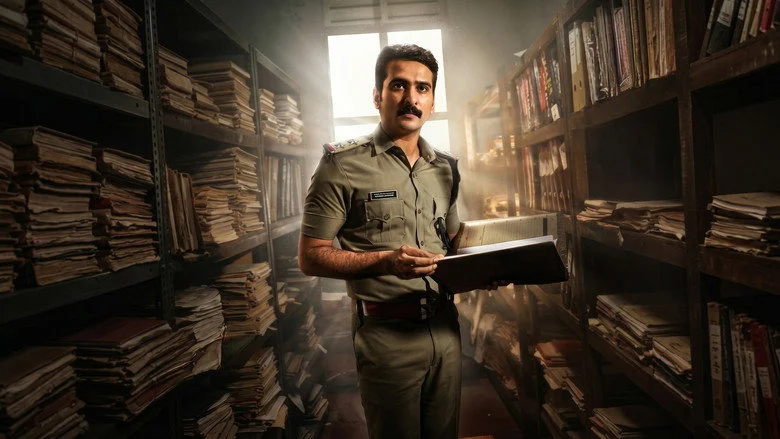
Shane Nigam Holds The Investigation Together When The Script Wobbles
Nigam’s Vijay is a procedural animal, driven by departmental deadlines rather than emotional outbursts. His best moments arrive in the later, tension-heavy stretches where the case tightens around him and his restraint reads as discipline rather than flatness.
In the exposition-heavy first half, that same quiet intensity works against him, the character has little to react to beyond briefing scenes. Nigam’s craft becomes most visible in the final act, where his controlled frustration finally earns its payoff.
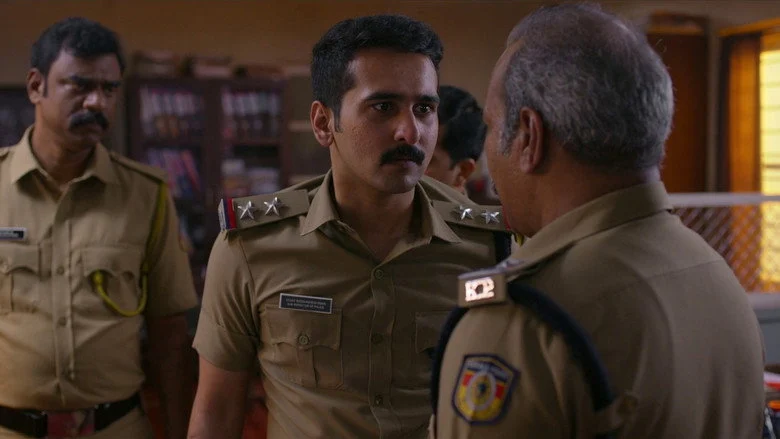
Martin Joseph’s Direction Finds Its Nerve Only In The Climax
Joseph builds a clean police-procedural skeleton, and the hill-station framing device does its job: the serene landscape makes the buried crime feel more sinister by contrast. The final act is staged with a control the earlier portions never quite manage.
The weakness is structural, the first half drowns in dialogue that explains rather than propels. A film about institutional pressure should feel tight; instead, the middle stretch sags under its own need to clarify everything.
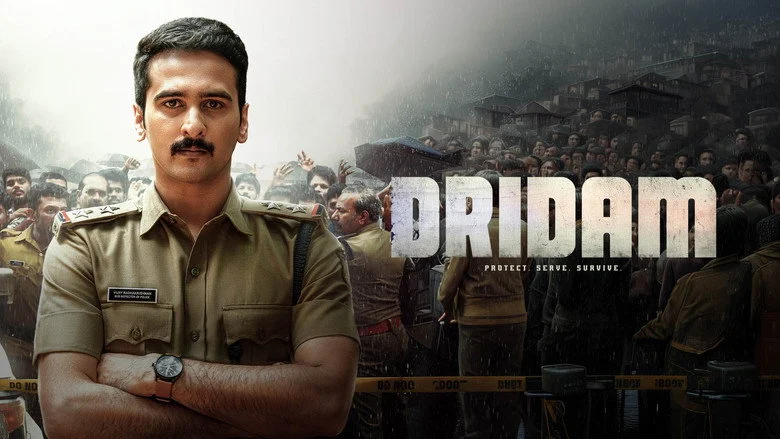
The Crime-Thriller Mechanics: A Case That Takes Too Long To Bite
The discovery of human remains kicks off the thriller mechanism effectively, using withheld information and a fixed deadline to raise stakes. Departmental pressure and public urgency push Vijay forward, but the pacing in the first hour dulls the edge that premise deserves.
Genre execution improves markedly as the film approaches its climax, where the withheld pieces finally click into place. Reviews consistently point to this final stretch as the strongest proof of what Joseph can do when the screenplay stops explaining and starts moving.
What’s missing is a clearly defined antagonist, the opposition here is spread across institutional pressure and a hidden criminal network rather than focused in one memorable face. That diffusion weakens the middle act, where a single credible threat might have sharpened the drama.
Shobi Thilakan And The Supporting Team Ground The Procedural World
Thilakan’s ASI Krishnan Kurup provides the seasoned counterweight to Nigam’s junior officer, anchoring the station’s internal dynamics with the lived-in authority of a veteran presence. Dinesh Prabhakar’s CPO Satyan rounds out the police-team chemistry that keeps the procedural segments watchable.
The supporting cast signals a deliberate attempt at authenticity, these are working cops, not stylized heroes. Mathew Varghese’s DySP Alex Jacob adds institutional weight from above, while Kottayam Ramesh’s Balan Nair hints at the local complications Vijay must navigate.
The First-Week Box Office And The Uneven Reception Problem
Dridam opened modestly with ₹0.65 crore India net on day one, climbing to ₹3.76 crore India net in its first week, as reported by Sacnilk. Those numbers suggest a film that found its audience despite, or perhaps because of, its slow-burn structure.
The critical consensus mirrors the audience split: praise for the premise and Nigam’s lead work, frustration with the clichéd writing and pacing inconsistencies. I suspect this is a film that plays better on a second viewing, once the first-half exposition can be forgiven in light of where it all lands.
The middle stretch is where most viewers will lose patience, but the final act rewards those who stay. For fans of Malayalam crime procedurals, the payoff may justify the journey.
For more like this, browse our collection of Malayalam Thriller reviews.
Dridam doesn’t reinvent the police-procedural formula, but its climax proves the director knows how to land a case when the screenplay stops over-explaining. Watch it for Shane Nigam’s restrained lead turn and a final act that justifies the slow burn, just be ready to push through the talky first hour.
If you appreciate Shane Nigam’s measured intensity in tense procedural settings, you might find KD Devil review equally frustrating in its uneven stretches.
Dridam earns a modest 2.5 out of 5, a promising premise and strong finale weighed down by an over-explained first half.
For another take on uneven crime narratives with strong central performances, check out Flashback verdict.

Ankit Jaiswal is the Chief Author, covering Indian cinema and OTT releases with honest, no-filler criticism. An SEO strategist by background, he brings a research-driven approach to film writing, cutting through hype to tell you exactly what's worth your time.