Mirzapur: The Movie (2026): A 197-Minute Franchise Overreach That Tests Devotion
The A certificate lands with the weight of a licensed gun. At 197 minutes, this is not a film, it’s a siege on your bladder and patience, demanding the devotion of a series binge without the episodic breathing room. Pankaj Tripathi’s return as Akhandanand Tripathi signals ambition, yet the frame around him feels uncertain of its own scale.

Pankaj Tripathi Masters Stillness While Chaos Swirls Around Him
Tripathi’s genius was always in the whisper, the pause before the verdict. Here he carries the burden of a character who has outlived his narrative arc, reduced to reacting to a world that moved past him.
His eyes still hold the menace that made Kaleen Bhaiya iconic, but the script gives him little new territory to conquer. Watching him navigate familiar power plays is comfort viewing for fans, though it rarely surprises those who followed the series.
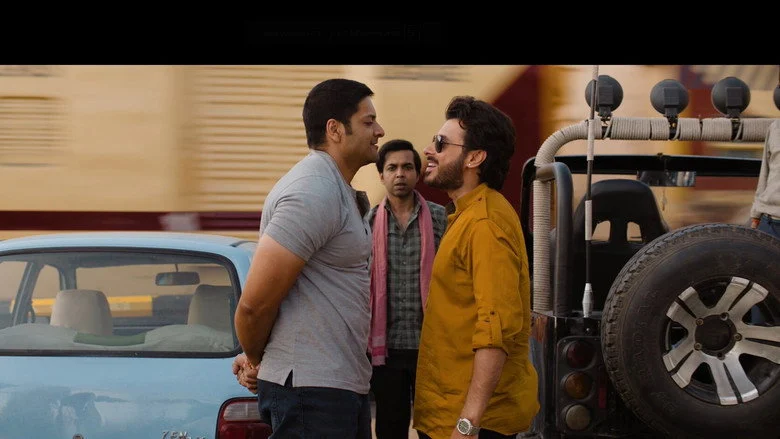
Divyenndu Sharma’s Munna Bhaiya Finally Gets the Throne He Coveted
Sharma steps into the antagonist spotlight with the hunger of an actor who has waited three seasons for this moment. His Munna Bhaiya oscillates between petulant rage and cold calculation, capturing a man undone by his own inheritance.
The film’s central tension hinges on whether his chaos can sustain a theatrical narrative. Sharma commits fully, but the character’s tantrums feel repetitive without the series’ episodic context to justify his spirals.
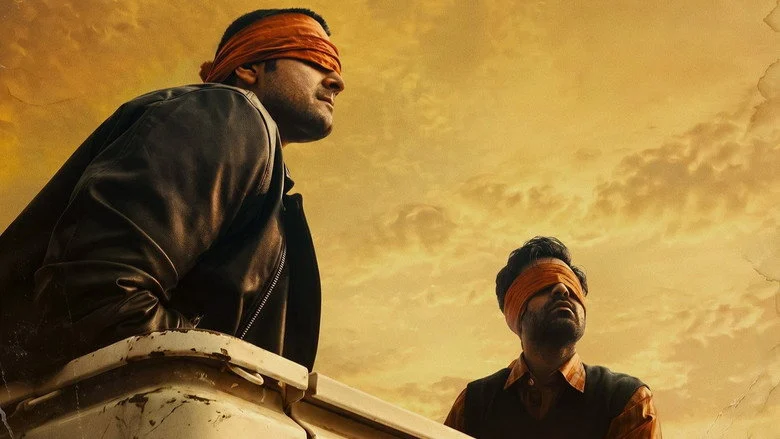
Gurmmeet Singh’s Direction Collapses Under Theatrical Weight
Singh knows this universe intimately, having steered the series through its bloodiest chapters. Yet translating episodic sprawl into a single sitting requires a ruthlessness the director seems unwilling to apply, letting scenes overstay their welcome.
The screenplay by Puneet Krishna struggles to find a central spine, meandering through subplots that would have worked as separate episodes. I found myself checking the runtime more than once, a dangerous sign for a crime thriller that should grip you by the throat.
Genre Execution: Violence Without the Architecture of Fear
The action sequences arrive with technical competence but lack the spatial storytelling that made the series’ setpieces memorable. Gunfights blur into each other, missing the geographical specificity that once made Purvanchal’s alleys feel like characters themselves.
There is blood, plenty of it, but the choreography rarely surprises. The film mistakes volume for impact, drowning scenes in gore rather than building the slow-burn dread that defined the show’s finest moments.
What remains intact is the dialogue’s rhythm, the characteristic Mirzapur cadence of threat wrapped in folksy metaphor. Yet even this weapon dulls with repetition, the lines echoing earlier seasons without landing new wounds.
Ali Fazal and the Supporting Cast Navigate a Crowded Canvas
Fazal’s Guddu Pandit carries the film’s moral ambiguity, a man who became the monster he hunted. His scenes with Shweta Tripathi Sharma’s Golu retain the fractured intimacy that anchored the series, two damaged people orbiting each other’s violence.
Rasika Dugal’s Beena Tripathi remains the franchise’s secret weapon, her quiet manipulations cutting through the noise. Ravi Kishan’s Babban Babua brings his signature physicality, while Abhishek Banerjee’s Compounder offers the film’s most unsettling presence with minimal screen time.
Jitendra Kumar’s Bablu appears in flashback form, a ghost the narrative keeps invoking to remind us of stakes. Shriya Pilgaonkar’s Sweety feels underutilized, her potential wasted in a film already too crowded for its own good.
The Franchise’s Political Silence Speaks Volumes
Mirzapur always danced around caste and power without committing to the critique it gestured toward. This film continues that evasion, using Purvanchal’s violence as texture rather than commentary on the systems that produce it.
Fans will argue the series never promised sociology, and they’re right. But at nearly three and a half hours, the absence of any thematic ambition beyond revenge becomes harder to excuse.
For those who want to see how other Hindi crime thrillers handle the transition from series to screen, our Hindi Thriller reviews cover the spectrum from taut to bloated.
Audience Reception: Built for the Devoted, Not the Converted
This is unapologetically a film for those who have watched every episode, who know the family trees and the betrayals by heart. Newcomers will find themselves lost in a web of references that assume prior knowledge.
The 197-minute runtime functions as both a gift and a punishment for the faithful, more time with beloved characters, but also more time to notice how little has actually changed.
The film’s theatrical release on 4 September 2026 positions it as an event, a homecoming for a franchise that defined streaming-era crime drama in India. Whether that event justifies a single-sitting commitment remains a question each viewer must answer for themselves.
If the sprawl of Mirzapur leaves you craving tighter storytelling, Poovellaam Kettuppaar offers a more disciplined approach to social tension.
Mirzapur: The Movie is for completionists who need to see every chapter of this saga, but even they may feel the bloat. I’d rate this a generous 2.5 out of 5, a franchise extension that mistakes length for depth, best watched in two sittings if your schedule allows.
For a darker gangster drama that understands the weight of its own mythology, Toxic verdict explores similar ambition with more narrative discipline.

Ankit Jaiswal is the Chief Author, covering Indian cinema and OTT releases with honest, no-filler criticism. An SEO strategist by background, he brings a research-driven approach to film writing, cutting through hype to tell you exactly what's worth your time.