Pratap (2026): Amit Sadh Anchors a Grimy, Uneven Encounter Thriller
Amit Sadh’s encounter specialist learns that a viral video can dismantle a decorated career faster than any bullet.
Director Sachin Saraf stages that collapse with genuine ambition, even when the screenplay buckles under its own conspiracy.
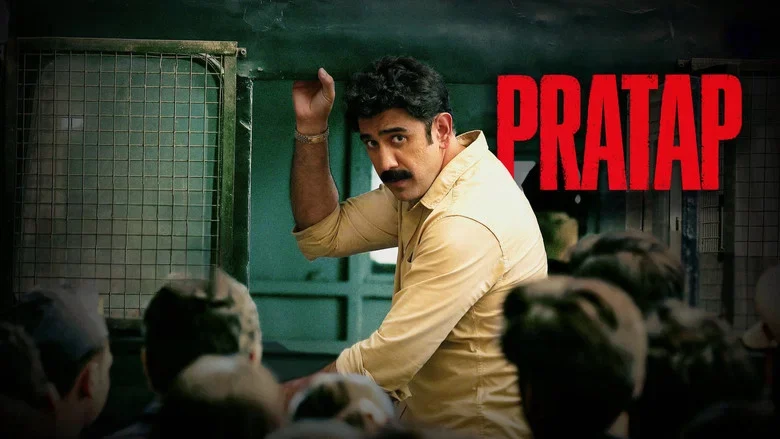
When A Viral Clip Becomes The Real Antagonist
The film opens on a parking-area apprehension that curdles into ambiguity: a wanted man dies of an apparent heart attack seconds after being pinned.
A bystander’s phone captures everything, and within a single news cycle Pratap Ranade transforms from decorated officer to accused.
Saraf understands that the most dangerous weapon in this story is a fifteen-second video loop, and he weaponizes it with real efficiency.
The screenplay then does something structurally shrewd, reopening all twenty-six of Pratap’s prior encounters as a collective crime scene.
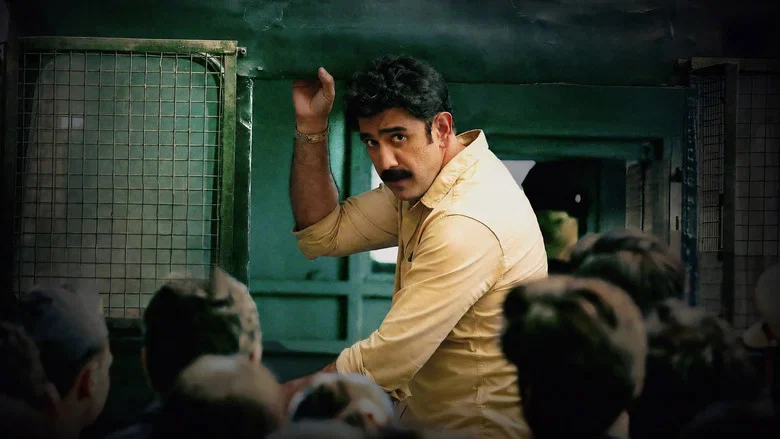
The Prison Transfer That Strips An Officer To Bare Identity
Once the department abandons him, the film relocates to Mumbai Central Prison, and the register shifts from procedural to psychological.
Here the narrative’s smartest device takes hold: a man who once controlled every room is now controlled by meal schedules and lockup counts.
The script’s escalating cause-and-effect logic, one death reopening twenty-six others, keeps the middle section tight even as the conspiracy widens.
What it cannot yet prove is whether the state-linked network behind his prosecution justifies the paranoia the film keeps promising.
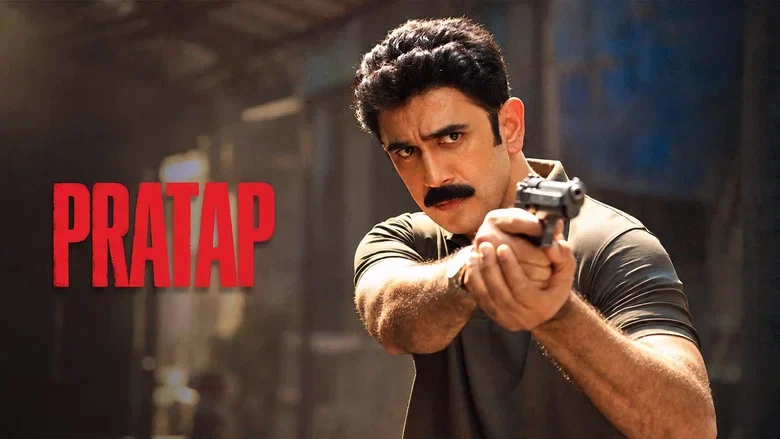
Seema Biswas Refuses To Blink, And The Film Sharpens
Seema Biswas, as jailer Meera Sen, delivers the film’s most disciplined screen presence, enforcing routine with a flat, unhurried voice that treats Pratap as inventory.
Their confrontation is fought in silence and small procedural gestures, not shouting matches, and the power reversal lands physically.
Sadh, meanwhile, plays the fall through posture: shoulders that once led a raid now shrink against corridor walls, eyes scanning for exits he no longer controls.
The performance recalls the same compressed, watchful register he brought to Aakhri Sawal, though here the stakes are institutional rather than intimate.
A Conspiracy That Arrives Faster Than The Film Can Justify
The final act pivots to escape and exposure, and this is where structural strain becomes visible.
The film wants to be both a prison chamber piece and a state-conspiracy thriller, and the two halves never fully reconcile their rhythms.
Saraf’s staging of the viral fallout carries a cold, procedural chill, echoing the institutional dread he mined in Kaali Kheti.
Yet the conspiracy reveal lands with less rigor than the prison material that precedes it, and the climax’s “unexpected” turn feels engineered rather than earned.
The film’s refusal to sensationalize the encounter debate is commendable; its refusal to fully interrogate the legal machinery behind it is not.
What The Camera Withholds, And What It Surrenders
Anil Akki’s photography favors cramped, low-ceiling framings inside the prison and wide, exposed exteriors during the public fallout.
That visual contrast does real thematic work: the man who owned the street is dwarfed by the corridor.
Rohan Rohan’s score, however, pushes too hard in the final stretch, underlining menace the staging has already earned.
The film’s tonal patience places it alongside the more restrained instincts of Dhood (Sandstorm), though it lacks that film’s unified control.
The Commercial Math Behind A Star-Driven Procedural
Produced by Pradeep Rangwani, Pratap arrives as a mid-budget, star-anchored crime thriller banking on Sadh’s credibility with the OTT-trained adult audience.
Its UA16+ positioning narrows the theatrical pool considerably, and the absence of a verified opening-day figure leaves the film’s commercial trajectory genuinely uncertain.
For a leading man still building theatrical leverage, the risk is real: adult-skewing Hindi thrillers increasingly find their true audience on streaming rather than in multiplexes.
The broader health of contemporary Hindi thrillers depends on films like this converting critical seriousness into footfalls, and that conversion is never guaranteed.
The Verdict: A Serious Film Undone By Its Own Ambition
Pratap is a film with a genuine idea, that public judgment, not the bullet, is the modern executioner, and a lead performance calibrated to that idea.
But a thriller built on institutional rot must eventually show us the rot’s architecture, and here the screenplay gestures at a conspiracy it never fully builds.
What lingers is not the twist but the image of a decorated man counting floor tiles, learning that authority was never his, only borrowed.
That single, quiet humiliation is worth more than the film’s louder final act ever earns.

Ankit Jaiswal is the Chief Author, covering Indian cinema and OTT releases with honest, no-filler criticism. An SEO strategist by background, he brings a research-driven approach to film writing, cutting through hype to tell you exactly what's worth your time.