Once More (2026): Arjun Das Anchors a Grief-Heavy Tamil Romance With Restrained Sincerity
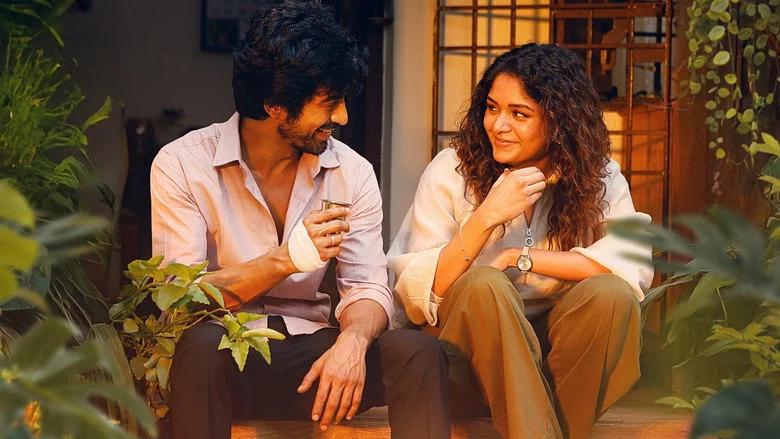
Raghu meets Anjali at his lowest, grief still caked on his face like dried salt. The scene isn’t dramatic fireworks, it’s a quiet collision, and Arjun Das makes sure we feel the thud.
His Raghu isn’t performing sadness; he’s living in it, shoulders slumped, eyes refusing to meet hers. Das, known for louder, more volatile roles, finds a hushed register here that suits the film’s melancholy pulse.
Vignesh Srikanth’s Debut Shows Restraint, But the Screenplay Tests Patience
The director’s first feature understands that healing isn’t linear, and he doesn’t rush the emotional beats. There’s a deliberate slowness to how Raghu and Anjali orbit each other, and Srikanth trusts the silence.
Yet the screenplay’s middle stretch drags, repeating Anjali’s attempts to win Raghu over until the courtship feels less like persistence and more like a loop. A tighter edit could have given the closure sequence more impact.
Genre-Core Execution: A Drama That Breathes, Then Holds Its Breath
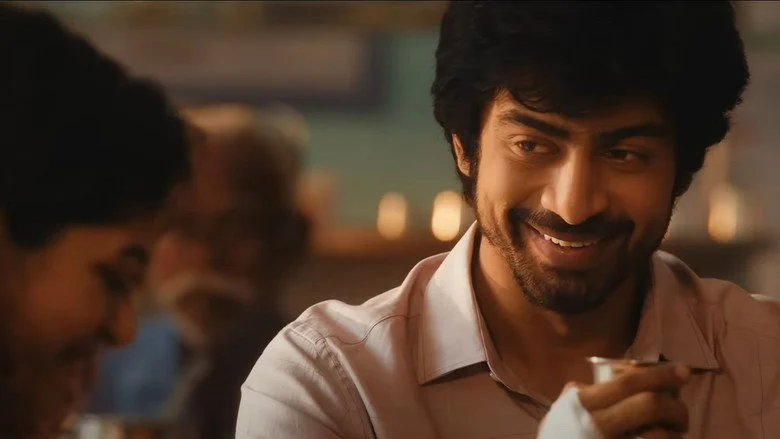
This is drama in its purest form, grief as a physical presence, recovery as a reluctant surrender. The film’s central conflict isn’t between people; it’s between Raghu and his own past, and the camera lingers on that internal war.
The romance is built on one-sided effort, with Anjali doing the heavy lifting while Raghu resists. It’s a risky structure, but it pays off because the script never pretends love is easy, it’s a negotiation with memory.
That bittersweet closure, hinted at through the film’s focus on healing, lands because Srikanth earns it. He doesn’t wrap everything in a bow; he lets the ache sit alongside the hope, which is exactly what this genre needs.
For more Tamil cinema that digs into character over spectacle, browse these Tamil Romance reviews.
Aditi Shankar and the Supporting Cast Fill the Gaps Around Raghu
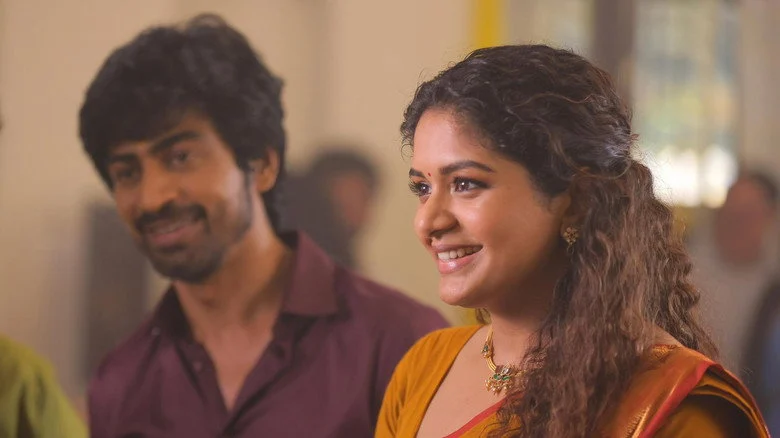
Aditi Shankar’s Anjali is the engine of the romance, and she plays persistence without tipping into desperation. Her repeated attempts to reach Raghu could have felt grating, but Shankar adds a layer of quiet vulnerability that makes her patience feel like strength, not weakness.
Sona Olickal, listed as Indra Vasudevan, brings a steadier presence to the ensemble, grounding the emotional chaos around her. Dravid Selvam’s Ibrahim and Anusha Prabhu’s Sara round out the world with functional, if under-written, support, they exist to service Raghu’s journey rather than have their own.
Audience Reception: A Slow Burn for a Niche Crowd
This isn’t a film for everyone, and it doesn’t pretend to be. The international box office figure sits at a modest $6, 602, per The Numbers, which tells you the film’s ambitions are small and personal, not commercial.
Fans of Tamil romantic dramas and grief-and-healing narratives will find a patient, sincere watch here. Those looking for plot-driven tension or a clear antagonist will leave restless, this is a film about internal weather, not external storms.
I found myself wishing the supporting characters had more texture, but the core duo holds the screen with enough conviction to carry the runtime.
Once More is a quiet, deliberate watch best suited for a moody evening when you’re ready to sit with someone else’s pain. It rewards patience but punishes those seeking momentum, see it for Arjun Das’s restrained turn and the film’s honest, unhurried heart.
Once More earns a measured 3 out of 5, a sincere, if uneven, debut that proves Arjun Das can break hearts without raising his voice.
For another take on restrained, character-led storytelling, see how Sanjeev review.
And for a shorter, sharper meditation on grief, TOY GUN verdict.

Ankit Jaiswal is the Chief Author, covering Indian cinema and OTT releases with honest, no-filler criticism. An SEO strategist by background, he brings a research-driven approach to film writing, cutting through hype to tell you exactly what's worth your time.