Poovellaam Kettuppaar (2026): A Social Thriller With A Striking Debut But Uneven Thrills
The field interviews begin with academic formality, but the unease is immediate. Sathya, a PhD scholar, and her assistant Karthikeyan sit across from Maaran, a man acquitted for lack of evidence, and the camera holds on the silence between their questions and his guarded answers. This is a psychological thriller built on social judgment rather than jump scares, and it signals early that Karthik Shamalan’s Tamil drama is aiming for something more cerebral than the average genre outing.
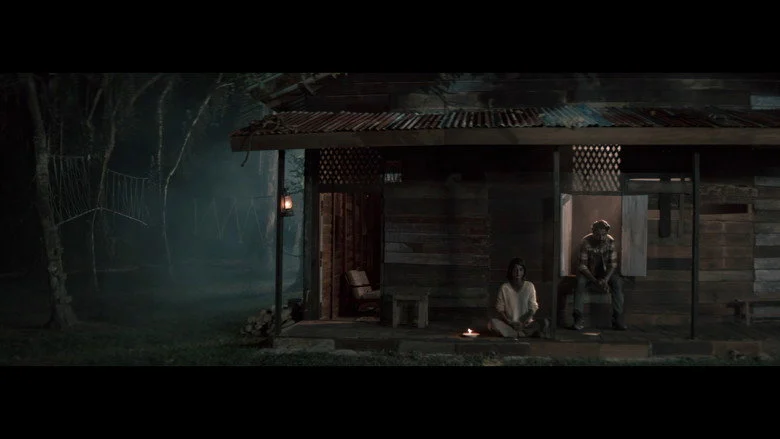
Yuvraj Krishnasamy’s First-Half Presence Carries The Exposition
Karthikeyan is the film’s engine in its opening stretch, and Yuvraj Krishnasamy makes that burden look effortless. His dialogue delivery is natural enough to make the research premise feel lived-in rather than lecture-like, and his lively screen presence prevents the setup from sagging.
Without his energy, the early sections would collapse under their own thematic weight. He gives the film a human pulse before the tension tightens.
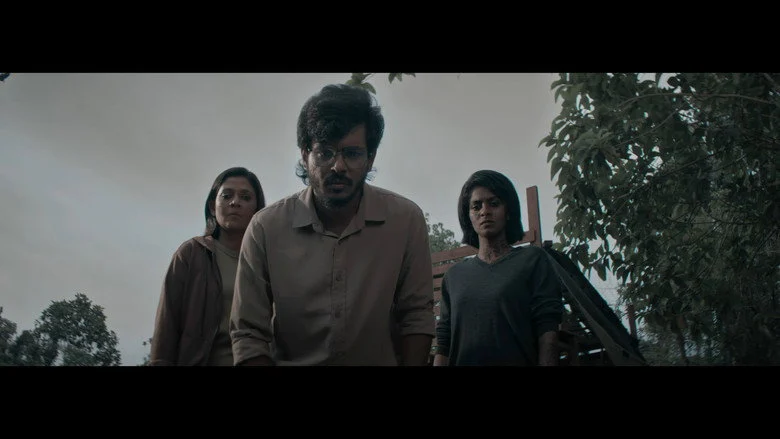
Veronica Thomas’s Debut Is The Film’s Most Striking Asset
Veronica Thomas arrives as Nadhiya, and her debut performance has been singled out as one of the year’s strongest in the reviewed coverage. She brings a composure that feels rare for a first-time actor, holding her own against more experienced cast members in scenes that demand restraint.
Her presence suggests a performer who understands that silence can be louder than confrontation. I found myself watching her reactions even when the screenplay drifted toward predictability.

The Research Premise Creates Tension, But The Thriller Mechanics Stay Uneven
The film’s central question is a compelling one: can a person acquitted by law still be judged by society? Shamalan uses the research framing to interrogate assumptions about guilt and innocence, and the early interviews with Maaran carry genuine investigative tension. The psychological weight comes from stigma and trust, not from constant action.
But the genre execution wobbles when the narrative shifts from dialogue-driven unease to physical escalation. The climax action sequence has been praised for the cast’s commitment and intensity, yet the transition feels abrupt, as if the film loses patience with its own slow-burn ambitions. The thriller component works best when it stays in the realm of perception and suspicion.
The second half moves toward confrontation, and while the setpieces are executed with technical competence, they lack the psychological layering that made the first half distinctive. The film is strongest when it trusts its characters to create dread through conversation rather than choreography.
Magen Vikadakavi And The Supporting Cast Ground The Social Drama
Magen Vikadakavi’s Maaran is portrayed with distinct versatility, avoiding the easy trap of playing an acquitted man as either victim or predator. He exists in the grey zone the film wants to explore, and his scenes carry the weight of social suspicion without tipping into melodrama.
Datin Sri Shaila V Nair conveys the required tension as Sathya, anchoring the research-driven framing with emotional credibility. Thashrra Aghonderan, a child performer, delivers scenes described as mature beyond her years, adding life to the film’s emotional material.
The casting signals a deliberate intent to prioritize performance over spectacle, and that choice pays off in the character-driven exchanges throughout the first half.
For more on how Tamil cinema handles character-driven storytelling, browse our Tamil Thriller reviews.
Technical Strength Can’t Fully Mask The Screenplay’s Gaps
The film’s technical presentation has been widely praised, and that craftsmanship shows in the controlled framing of the interview scenes. Shamalan’s direction balances the research framing with performance-led storytelling, giving actors room to breathe.
Yet the screenplay structure remains the weakest link, with pacing issues that surface when the film lingers on material less compelling than its technical and performance strengths. The premise is distinctive, but the execution doesn’t always match its ambition, leaving stretches that feel like setup rather than payoff.
Poovellam Kettuppar is a film you respect more than you love. For viewers drawn to social-drama thrillers with strong performances and solid craft, it offers enough to justify a watch, especially for Veronica Thomas’s debut alone. Those expecting a mainstream entertainer or fast-paced action throughout should adjust expectations before entering.
Watch it for the performances and the premise, not for the thriller mechanics.
Poovellam Kettuppar earns a 2.5 out of 5 for its striking debut and social conscience, but its uneven genre execution keeps it from true distinction.
If you appreciated the social drama here, Toxic review offers a darker take on similar themes of judgment and identity.
For another look at how Tamil cinema handles complex character arcs, Character s verdict explores similar territory with different results.

Ankit Jaiswal is the Chief Author, covering Indian cinema and OTT releases with honest, no-filler criticism. An SEO strategist by background, he brings a research-driven approach to film writing, cutting through hype to tell you exactly what's worth your time.