Lechindi Mahila Lokam (2026): Women’s Voices in a Loud, Messy Satire
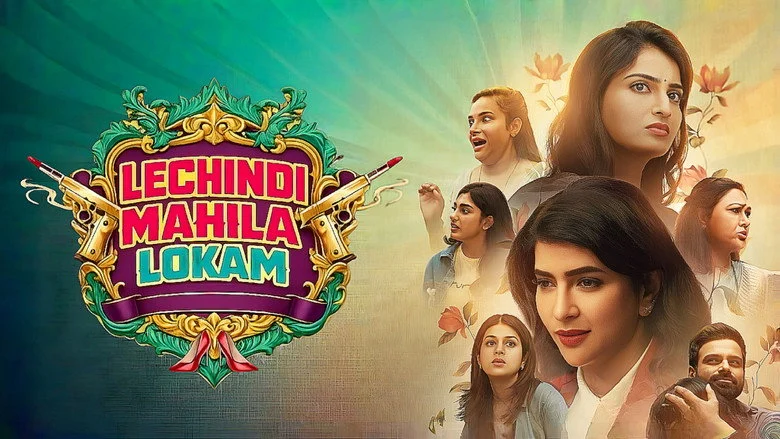
There is a moment in Lechindi Mahila Lokam where Lakshmi Manchu holds the frame with nothing but a raised eyebrow and a perfectly timed pause, letting the silence do the punchline’s work. It is the kind of comic beat that reminds you why she remains one of Telugu cinema’s most reliable anchors, even when the material around her wobbles.
This is a film that wants to be a sharp social scalpel but often swings like a blunt instrument, and that tension defines its entire 111-minute run.
Lakshmi Manchu’s Comic Timing Is the Film’s Lifeblood
Manchu doesn’t just deliver lines; she weaponizes them. Her performance carries the satire’s weight, turning routine conversational jabs into pointed commentary on gender norms.
When the script gets shrill, she pulls it back to a human register. That is no small feat in a film that one review rightly describes as “messy and loud.”
Arjun Gunnala and Carthyk Desari’s Uneven Direction
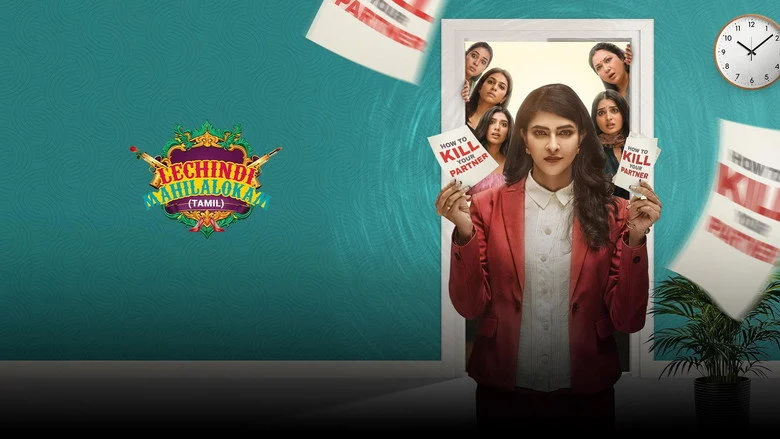
The co-directors have a clear strength: they trust dialogue to carry meaning, and they cast an ensemble that can handle the verbal load. The premise, everyday conversations shaping social conditioning, is genuinely promising.
But the execution tries to do too many things at once, diluting its central point. A more disciplined hand might have trimmed the noise and let the wit breathe.
The Comedy Works Best When It Stays Conversational
This is a film that lives or dies by its exchanges, not its setpieces. The funniest moments emerge from layered humor buried in ordinary chat, the kind of banter that exposes how casually sexism slips into daily speech.
There are no grand comic sequences to speak of; the craft is entirely verbal. That is either a refreshing choice or a limiting one, depending on your tolerance for talk-heavy satire.
At its best, the film feels like a staged play captured on camera, with actors feeding off each other’s rhythms. At its worst, it strains for effect, and the audience’s laughter becomes intermittent rather than sustained.
Ananya Nagalla and Shraddha Das Elevate the Ensemble
Ananya Nagalla has emerged as one of the most dependable young performers in Telugu cinema, and her work here reinforces that reputation. She shines in her supporting role, earning specific viewer praise for bringing a grounded energy to the chaos around her.
Shraddha Das adds distinct personality to the mix, a strong supporting turn that gives the film texture beyond Manchu’s lead. Meanwhile, Hari Teja and Hema contribute warmth and laughter, completing an ensemble that functions well in parts even when the whole is uneven.
The Quiet Release and the Audience Divide
The film went largely unnoticed at the box office, a flop attributed to minimal promotion rather than outright rejection. Indian Community’s aggregate rating of 4.0 suggests critics saw genuine value, even as IMDb’s 5.0 from audiences hints at a wider disconnect.
Some viewers found it trashy and poorly executed; others appreciated the attempt at social commentary. That split tells you everything about what this film is: a well-intentioned, imperfect conversation starter.
For those who enjoy dialogue-driven social comedies that center women’s voices, this is worth a watch, but only in the right frame of mind. Go in expecting a messy, talky, occasionally brilliant satire, not a polished mainstream entertainer. Stream it on OTT, where its intimate, conversational texture plays best. For more like this, browse Telugu Drama reviews to see how the genre’s other experiments fared.
Lechindi Mahila Lokam is an ambitious misfire that deserves credit for its intent and its lead performance, but it never quite earns the sharpness it reaches for, a 2.5 out of 5 from me, with the strong caveat that Manchu’s fans will find plenty to enjoy.
If you appreciate ensemble-driven social satire, Derby review offers a similarly energetic ensemble dynamic.
For another regional take on narrative ambition versus execution, Maragatha Malai verdict struggles with a similar tonal imbalance.

Ankit Jaiswal is the Chief Author, covering Indian cinema and OTT releases with honest, no-filler criticism. An SEO strategist by background, he brings a research-driven approach to film writing, cutting through hype to tell you exactly what's worth your time.