Suyodhana (2026): A Foley Artist’s Mystery That Finds Its Voice Too Late
There’s a specific kind of tension in watching Priyadarshi Pulikonda’s Foley artist react to a voice only he can hear, his craft is literally about creating sound, yet here he’s haunted by one he cannot control. The film’s central irony is its best asset, but it takes nearly an hour of meandering before that hook tightens into something resembling a thriller.
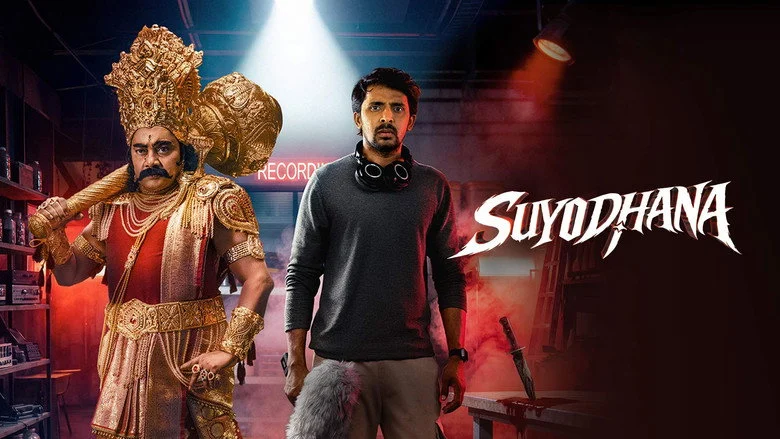
Priyadarshi’s Reactive Burden Is the Film’s Anchor
Priyadarshi carries the weight of Suyodhana on his shoulders, and his performance is built almost entirely on reaction. He listens, he flinches, he investigates, his face doing the work that the screenplay often fails to verbalize.
The emotional shifts in the second half land because he commits to the character’s guilt and confusion with a grounded sincerity. It’s a performance that deserves a sharper script around it, but he never lets the material sink.
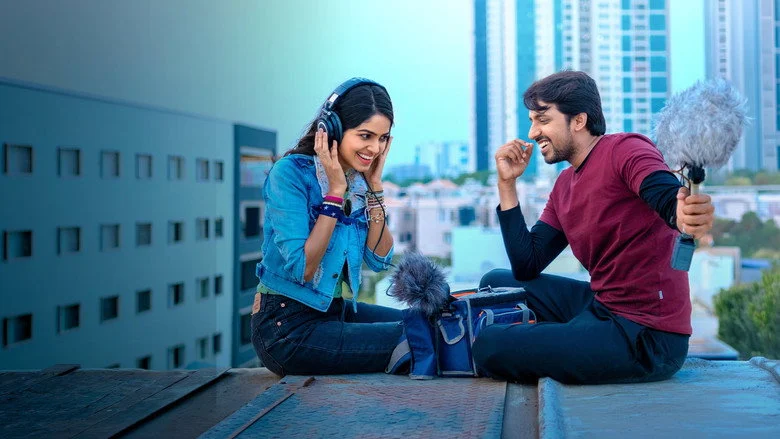
A Second Half That Rescues a Sluggish Opening
Director Y.S. Madav Reddy clearly saves his best instincts for the back half, where the psychological and family threads finally converge. The reveal sequence works because it stops teasing and starts committing.
The first half, however, is a patience test, pacing lulls and a suspense buildup that never quite ignites. It’s a structural imbalance that will lose a chunk of the audience before the film finds its footing.
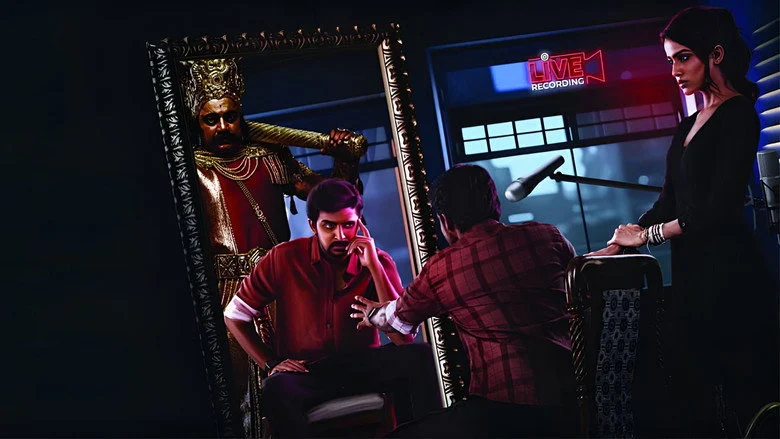
The Mystery-Thriller Execution: A Study in Uneven Craft
The premise is genuinely intriguing: a Foley artist accused of his father’s murder, chasing a voice that may or may not be real. It’s a fresh hook in Telugu cinema, and the investigation scenes carry a quiet, investigative texture that suits the material.
But the thriller mechanics are blunt. The tension doesn’t sustain because the screenplay relies too heavily on the protagonist’s internal state rather than external stakes. The mythological layer adds thematic weight but muddies tonal consistency, making the film feel like two different projects stitched together.
Where it works, it works, the second-half convergence of the psychological and emotional threads is the film’s only truly confident stretch. It’s just a shame that confidence arrives so late.
For more like this, browse our collection of Telugu Thriller reviews.
Sai Kumar and the Supporting Ensemble Hold the Line
Sai Kumar brings veteran gravitas to the supporting cast, anchoring the emotional stakes that the lead’s investigation keeps circling. His presence signals that the family drama matters as much as the murder mystery.
Drishika Chander serves the female lead role with poise, though the script gives her limited agency beyond supporting the emotional track. Vishnu Oi and Devi Prasad provide competent ensemble support, keeping the investigative thread focused even when the pacing wobbles.
A Flop That Divides Its Own Audience
The box office verdict is harsh but unsurprising, Suyodhana opened at ₹0.40 crore net in India per FilmyFocus, and collections only dipped further to ₹0.32 crore by the first week as tracked by Sacnilk. The film was declared a flop, and the numbers tell a story of a premise that never converted curiosity into footfall.
Critics at SocialNews.xyz gave it a 3.0/5, praising the second half while noting the thriller element lacked sharpness. On IMDb, the lone user rating sits at 5.0/10, reflecting a divided response between those who appreciated the emotional payoff and those who found the first half a slog.
I find myself in the middle camp, there’s a genuinely interesting film buried here, but it’s buried under an hour of setup that doesn’t earn its runtime.
If you’re drawn to Priyadarshi’s committed lead performance, you might also appreciate how Pathaan review handles a star carrying a flawed narrative.
Suyodhana is a film for patient viewers who value emotional drama over thriller efficiency, watch it on OTT with tempered expectations. The second half rewards, but the journey there tests your goodwill.
Suyodhana is a promising idea executed unevenly, earning a 2.5/5 for its strong second-half payoff and Priyadarshi’s committed work, but losing points for a first half that never finds its rhythm.
For a tighter take on narrative grip, see how Lee Cronin verdict handles similar tonal struggles.

Ankit Jaiswal is the Chief Author, covering Indian cinema and OTT releases with honest, no-filler criticism. An SEO strategist by background, he brings a research-driven approach to film writing, cutting through hype to tell you exactly what's worth your time.