Lee Cronin’s The Mummy (2026): Lee Cronin’s Family Horror Loses Its Grip
Eight years after Katie Cannon vanishes into the Egyptian desert, she returns to her family in a near-comatose, scarred state, and Lee Cronin’s camera holds on that reunion just long enough for the dread to settle in. The premise is clean, the setup is sharp, but this 134-minute supernatural horror struggles to keep its grip once the possession takes over.
Jack Reynor’s Father Is a Study in Helplessness
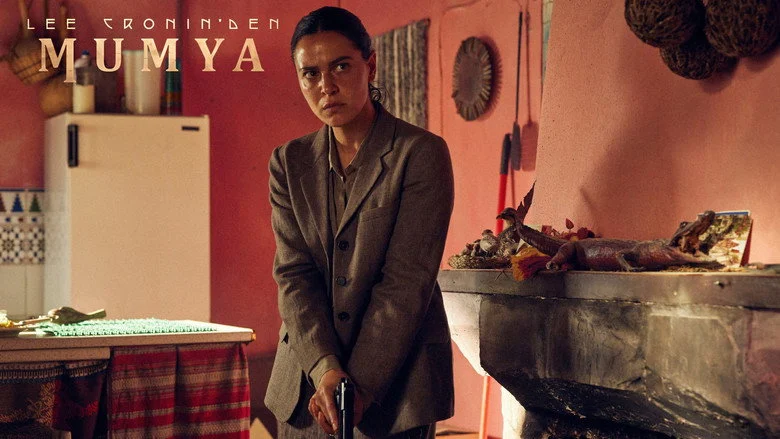
Reynor plays Charlie Cannon as a distressed journalist, not an action lead, and that choice pays off in the early scenes. His reaction to Katie’s return is all shock and uncertainty, a man whose professional instincts fail him at the exact moment his family needs clarity.
What makes Reynor’s work interesting is what he refuses to do. He never reaches for heroics, and his helplessness becomes the film’s emotional anchor, even when the script abandons him in the second half.
Cronin’s Direction Builds a House of Cards
The director of Evil Dead Rise knows how to construct a mystery, and the opening act here is his strongest material. The delayed revelation around Katie’s condition creates genuine unease, and the desert imagery frames disappearance and return with stark efficiency.
But the screenplay’s linear structure runs out of ideas around the midpoint. The later escalation loses focus, and the possession beats start feeling familiar rather than frightening. Cronin controls the early dread but lets the tension slip through his fingers.
Possession Horror Works Best in the Cramped Corners
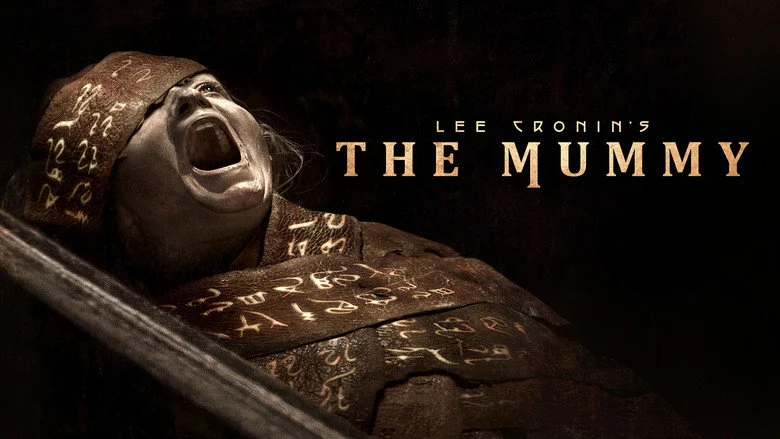
The genre execution hinges on bodily distortion, and Natalie Grace’s unnatural movements carry the film’s most effective scares. The nighttime crawling sequences and strange vocalizations are where Cronin’s craft shines, using tight indoor spaces to amplify the unease of something ancient wearing a child’s body.
The return sequence itself is the film’s best moment, a setup that several reviews singled out for its efficient dread-building. Katie’s pale, scarred, near-comatose presentation is genuinely unsettling, and the family’s hope curdling into horror lands with force.
But the later-stage attack material loses that control. The escalation becomes repetitive, and the climax resolves into horror rather than catharsis, which fits the genre but leaves the audience with less than the opening promised.
Laia Costa and Verónica Falcón Ground the Family Drama
Costa serves as the emotional counterweight to Reynor’s panic, and her maternal fear and disbelief give the film a heartbeat beyond the supernatural elements. Her scenes carry the disbelief of a mother seeing her child return broken, and she sells that pain without overselling it.
Falcón functions as the family’s grounding presence, tied to the domestic and intergenerational stakes that make the horror feel personal. Her casting signals the film’s interest in family as a unit under siege, even if the script gives her less to work with than the core trio.
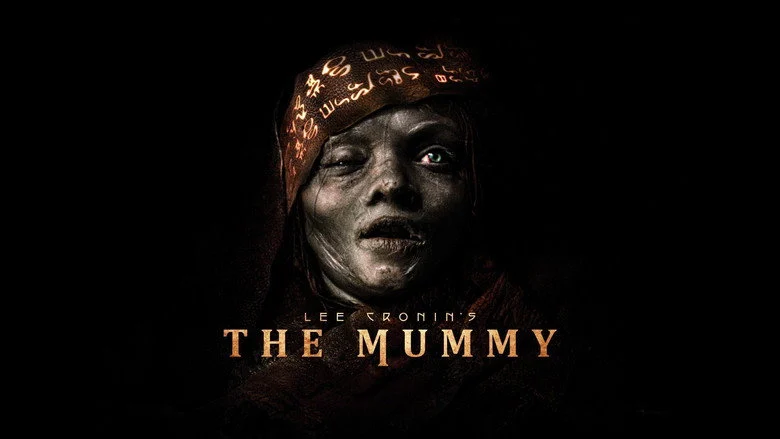
Natalie Grace deserves special mention because her performance is the film’s physical horror made flesh. The transformation from returned daughter to threatening vessel is the most discussed imagery in the film, and she commits fully to the bodily distortion that makes the possession feel real.
The Film’s Ambitions Outrun Its Execution
There is no reliable controversy data attached to this release, but the audience reception tells its own story. Viewers praised the premise twist and the visual horror of the returned daughter, while complaints centered on pacing in the second half and a desire for more originality from the mummy premise.
The R rating for strong disturbing violent content, gore, language, and brief drug use signals a film unafraid to push boundaries. I found myself wishing the second half had the discipline of the first, because the setup deserves a payoff that matches its ambition.
This is a film that places family grief at the center of its horror, which is a smarter move than the broader monster-adventure approach of previous Mummy iterations. But it does not sustain momentum, and the familiar possession beats weaken the impact of its best ideas.
If you want to see how this compares to other horror releases, browse more English Mystery reviews on the site.
The film’s multilingual setting and Egyptian backdrop add texture, but the character development outside the core family is thin, and that limits the emotional stakes when the violence escalates. Cronin’s direction is strongest when he trusts the mystery and weakest when he leans on convention.
For horror viewers who appreciate atmosphere and bodily unease, the opening act is worth the price of admission. For those seeking a tight, sustained scare, the second half will disappoint. Watch it on OTT or in a regular theatrical format, since there is no evidence this needs IMAX.
For a film that starts with such a strong premise, the payoff feels like a promise half-kept. Lee Cronin’s The Mummy earns a 2.5 out of 5, a horror film with a great first act and a second half that loses its nerve.
For a tighter family-horror experience, check out Rosie review.
If you prefer your horror with sharper pacing, Paharganj Phuket verdict shows how discipline matters in genre filmmaking.

Ankit Jaiswal is the Chief Author, covering Indian cinema and OTT releases with honest, no-filler criticism. An SEO strategist by background, he brings a research-driven approach to film writing, cutting through hype to tell you exactly what's worth your time.