Manithee: the fire bird (2026): Vithu Vanni Leads a Forest Thriller That Burns Too Quietly
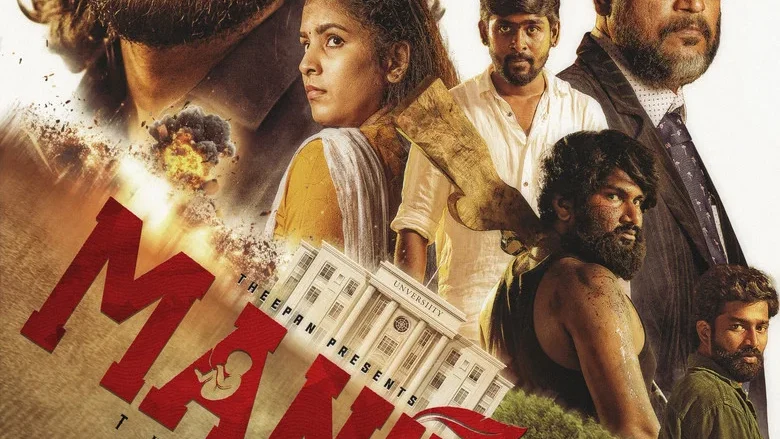
MJ Nitharsan opens his film not with spectacle but with separation. A female physicist carries breakthrough technology she believes can change the world; a young filmmaker from a small village carries nothing but the stubborn need to make something world-class. Two ambitions, two people, one forest that swallows them both.
The premise is genuinely unusual for Tamil cinema. Pairing scientific breakthrough with artistic aspiration inside a single mysterious woodland suggests a filmmaker reaching for something beyond the usual revenge or gangland architecture. The question is whether Nitharsan knows what to do once his characters are lost among the trees.
For the first stretch, he does. The film moves with a controlled unease, letting the forest function as an active presence rather than a backdrop. Where a lesser thriller would fill the silence with exposition, this one lets the trees do the threatening. That restraint is the film’s most interesting instinct.
When Ambition Becomes The Only Engine, Momentum Stalls
The middle section reveals the film’s central problem. Both protagonists want things desperately, but their wants never collide in a way that generates genuine dramatic friction. They are parallel lines running through the same undergrowth, occasionally brushing, never truly knotting.
Compare this to the structural chaos that sank Toxic, where too many competing threads strangled the narrative. Manithee has the opposite ailment: too few threads, stretched across a runtime that needs more conflict than the premise provides.
The obstacles the characters face are described in the abstract but rarely felt in the specific. We understand they are in danger. We rarely feel the danger tightening. The screenplay trusts atmosphere to carry what should be carried by escalating stakes.
The Performances Hold What The Script Cannot
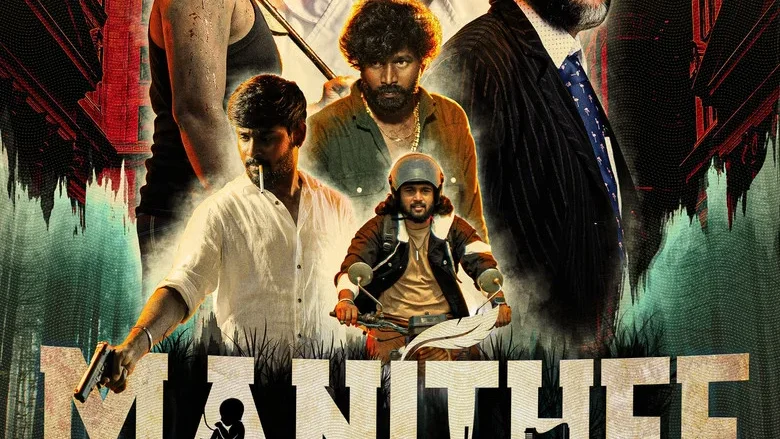
Vithu Vanni as Ranga carries the film’s emotional weight with a physical stillness that reads as genuine exhaustion rather than performed suffering. Watch how he holds his shoulders when the camera lingers: not slumped, not rigid, just weighted. It is a small choice that keeps the character grounded when the plotting drifts.
The contrast with the warmth-on-demand approach of Cuddle Café is instructive. That film asked its performers to manufacture feeling; this one asks them to withhold it. Vanni understands the assignment. The supporting players, particularly Maithily Ravivarman as Thuvaraka, register in individual moments but rarely get the screen time to build sustained presence.
The antagonist problem is real. The forest is the threat, but a forest cannot scheme. Without a human face to the danger, the film’s second half loses the pressure valve that a visible adversary provides. The mystery stays mysterious, but mystery alone does not sustain ninety-eight minutes.
Direction That Trusts Silence But Forgets Rhythm
Nitharsan’s camera favors medium shots that keep the characters embedded in the environment rather than isolated against it. The forest is not a green screen; it has texture, moisture, weight. When the film cuts to close-ups, it earns them. When it pulls back, it reminds us how small these people are against what surrounds them.
But the pacing betrays the visual intelligence. Scenes that should build tension instead sit in neutral. The editing allows moments to breathe past the point of discomfort into mere slowness. A thriller needs a pulse; this one often forgets to check for one.
The film’s thematic ambitions echo the unresolved questions that lingered through Yezhu Kadal Yezhu Malai, another Tamil effort that prioritized mood over momentum. Both films share a willingness to leave questions unanswered. Only one of them makes the unanswered questions feel earned.
A Resolution That Arrives Without Arriving
The ending suggests the protagonists overcome their obstacles and continue toward their goals. What it does not do is make that overcoming feel like a culmination. The film simply stops rather than concludes. Ambition survives, but so does the sense that we never truly understood what was at stake.
This is the risk of building a thriller around atmosphere rather than architecture. The mood can carry you far, but it cannot tell you where you are going. Nitharsan has made a film that feels like a first feature in the best and worst sense: full of promise, short on discipline.
For audiences drawn to the quieter registers of contemporary Tamil thrillers, there is enough here to warrant attention. The film’s refusal to pander is admirable. Its refusal to escalate is not.
Rating: 2.5 / 5
Manithee: The Fire Bird wants to be about the fire of creation, but it never quite catches. What lingers is not the heat but the smoke: hazy, atmospheric, and gone before you can hold it.

Ankit Jaiswal is the Chief Author, covering Indian cinema and OTT releases with honest, no-filler criticism. An SEO strategist by background, he brings a research-driven approach to film writing, cutting through hype to tell you exactly what's worth your time.