

This is Peter Parker’s new normal in Destin Daniel Cretton’s Spider-Man: Brand New Day, a hero operating in a city that erased his name. That opening tableau, drawn from the film’s early trailer, promises a grounded reset, but the mystery surrounding the central threat leaves the craft feeling cautious rather than confident.
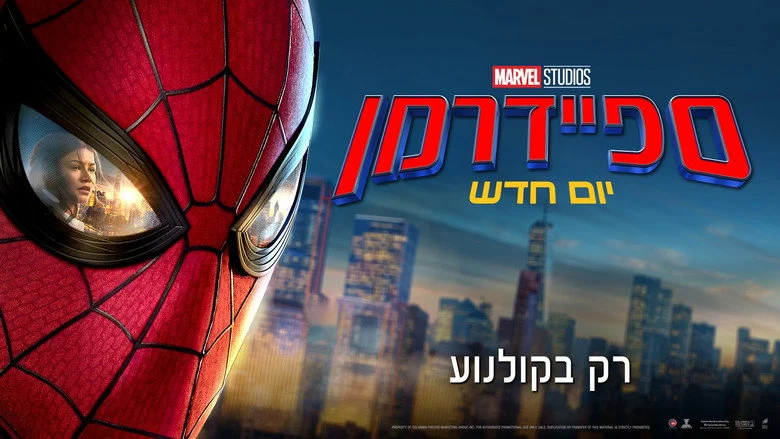
Tom Holland’s solo act: weariness as a weapon
Holland plays Peter as a young man running on fumes, no Aunt May, no Ned, no MJ to ground him. The trailer shows him returning to a cold, empty apartment, bandaging his own wounds. This is a performance built around physical strain and emotional isolation, and Holland sells the exhaustion without leaning on his usual charm.
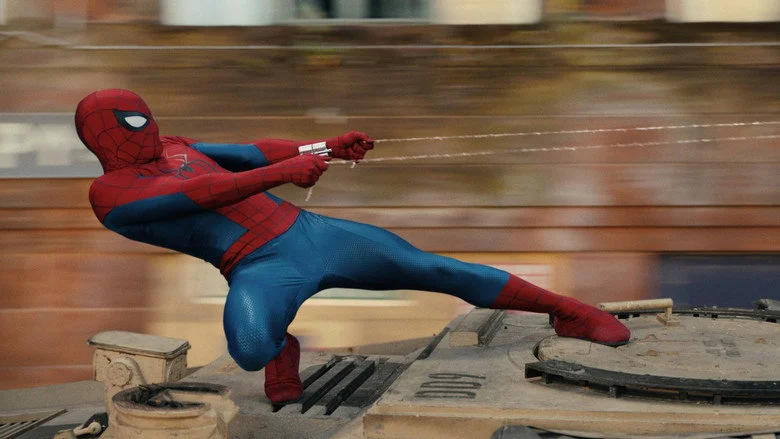
Cretton’s grounded touch meets a screenplay that hedges bets
Destin Daniel Cretton, fresh off Shang-Chi, brings a welcome intimacy to the web-slinger’s world. He favours cramped alleyways and rain-slicked fire escapes over cosmic portals. But the screenplay, co-written by Chris McKenna and Erik Sommers, withholds the villain’s identity so aggressively that the first half drags. The “powerful threat no one can see” hook feels like deferred payoff, not suspense.
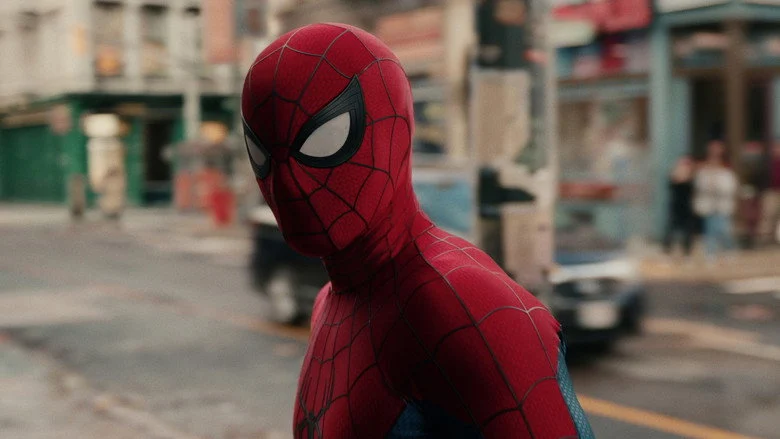
The action leans into transformation, not setpieces
The film’s primary genre hook is a physical evolution in Peter Parker himself, a bodily change that threatens his existence. Early marketing frames this as a ticking clock, with Peter’s own biology becoming the enemy. The night-patrol sequences suggest a street-level choreography reminiscent of the OG Sam Raimi films: scrappy, improvised, and grounded in practical stunts.
Yet without a concrete antagonist to bounce off, the action lacks a discernible spatial language. The trailer teases a mysterious crime pattern, but no geography or villain staging is visible. Comparisons to No Way Home‘s multiverse chaos are inevitable, and here the action feels narrower by design.
That said, the transformation-induced conflict could give the final act a body-horror texture absent from most superhero fare. Whether Cretton can balance that with a standard CGI climax remains the film’s biggest question mark.
Supporting cast: familiar faces, uncertain purposes
Zendaya’s MJ exists as a ghost in Peter’s memory, the trailer barely shows her face. Jacob Batalon’s Ned echoes that absence. These are performances trapped in contract limbo, signalling the film’s awareness of its lost emotional core. Jon Bernthal’s Frank Castle is a far more concrete presence: his Punisher suggests a grittier corner of the MCU, one that could either anchor Peter or distract from his loneliness. Tramell Tillman’s unnamed role and Michael Mando’s Scorpion both hint at a hidden criminal ecosystem.
Mark Ruffalo’s Bruce Banner appears without context, a cameo that may connect to wider threads or simply remind us that the MCU still exists beyond this bubble.
For those craving a deeper dive into the current landscape of superhero storytelling, our English Action reviews offer a different lens on grounded heroism.
Audience reception: a film defined by what it hides
Without a single critical consensus or audience score available, Brand New Day lives or dies on anticipation alone. Social media chatter, sourced exclusively from trailer reactions, is split between excitement for a stripped-down Spider-Man and frustration at the opacity of the plot. Target demographics, franchise loyalists, family audiences, mass-market viewers, are all waiting for a reveal that hasn’t arrived. The film’s lack of a visible villain is either a clever misdirection or a narrative hole. I suspect we’ll know which only when the credits roll.
Closing recommendation
For now, Brand New Day is a tentative promise, a stripped-down Spider-Man story that could soar or collapse depending on how it resolves its mysteries. Wait for first reactions before buying that IMAX ticket. If the payoff matches the setup, this could be the most human Spider-Man film in years.
Spider-Man: Brand New Day earns a calculated 3 out of 5 for its ambition, but the lack of a concrete villain leaves its swing incomplete.
For a deeper look at how director-driven risks can backfire, read our review of Apology review, a short film that also chases mystery without resolution.
And if you’re in the mood for righteous fury over craft, India Story verdict offers a parallel lesson in narrative restraint.
Ankit Jaiswal is the Chief Author, covering Indian cinema and OTT releases with honest, no-filler criticism. An SEO strategist by background, he brings a research-driven approach to film writing, cutting through hype to tell you exactly what's worth your time.