Michael (2026): Jaafar Jackson’s Resemblance Outweighs Fuqua’s Dramatic Shortfall
Young Michael Jackson takes the stage for the first time, his small frame commanding the spotlight as the Jackson 5 discovers what will become a global phenomenon. The film captures this electrifying moment with technical precision, but the energy evaporates the moment the scene shifts away from performance and into the messy, complex human being behind the icon.
Antoine Fuqua’s biopic arrives as a calculated venture into the life of pop’s greatest entertainer, yet it settles for surface-level thrills when the subject demands excavation. Rotten Tomatoes critics awarded the film a 39% rating, a verdict that speaks to a fundamental misalignment between ambition and execution.
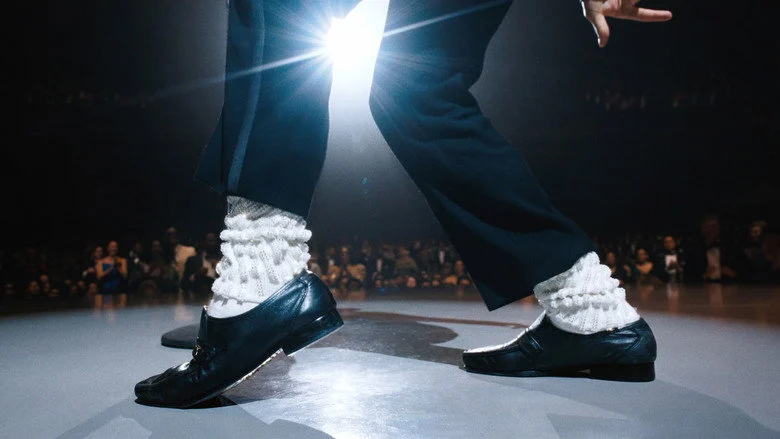
Jaafar Jackson Inherits a Resemblance, Not a Character
Jaafar Jackson’s physical likeness to his uncle is undeniable, the bone structure, the movement, the way he inhabits stage space feels authentically calibrated. Early performance sequences featuring him were the most consistently praised element across available coverage. Yet resemblance alone cannot sustain a two-hour biographical drama when the screenplay refuses to dig deeper into psychology or contradiction.
His performance remains locked inside recreation mode rather than interpretation. The early Jackson 5 scenes and solo-era performance material benefit from his casting, but when the film attempts scenes of actual family conflict or personal vulnerability, Jackson’s work flattens. He becomes a vessel for historical accuracy rather than a lived character.
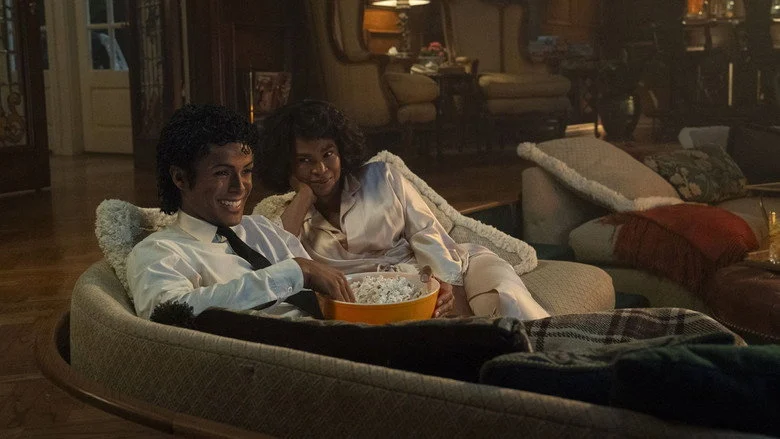
Fuqua’s Direction Prioritizes Spectacle Over Storytelling
Fuqua structures the film as a chronological march from childhood discovery through early solo fame, culminating around the Bad World Tour era. This approach provides clarity but sacrifices depth. The film uses large-scale performance recreation as its primary storytelling device, a clever workaround that ultimately exposes the screenplay’s weakness in dramatic execution.
John Logan’s script frames Michael’s ambition as collision between artistic drive and the machinery of fame, yet it never quite delivers the friction that makes biography compelling. Family pressures involving Joe Jackson and Katherine Jackson feel obligatory rather than earned, institutional rather than intimate.
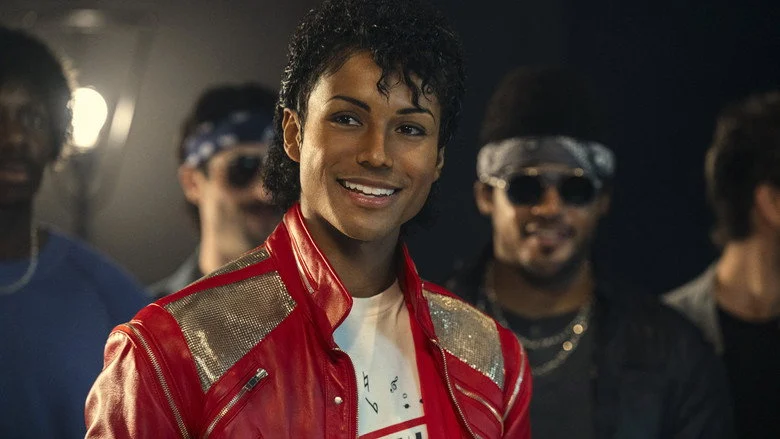
The Biography Genre Demands More Than Performance Footage
Biopics function best when they use specific life moments to unlock universal truths about their subject. Michael instead treats early career milestones as plot points to move past, hovering over Jackson 5 discovery and early solo performances without interrogating what those moments meant to the person living them.
The film selects a deliberately limited period, it ends before the Thriller era fully peaks, before the trial years, before most of what made Jackson culturally seismic. This editorial choice protects the narrative from complexity but abandons the responsibility of biography to grapple with contradiction and consequence.
Scenes depicting Jackson’s personal life were criticized by reviewers as feeling incomplete or unconvincing. The pacing moves briskly through the first act’s childhood material but struggles to generate momentum once the solo career begins, suggesting an editor unsure how to balance spectacle with character development.
For those interested in how filmmakers approach the music biopic form, Hindi thriller reviews and English biographical cinema share similar structural challenges in balancing entertainment with authenticity. English Primary Biography reviews.
Colman Domingo Becomes Joe Jackson, Not the Villain
Colman Domingo inhabits Joe Jackson as a pressure figure rather than a conventional antagonist. He functions as the career-shaping force, the man who recognizes talent but weaponizes parental authority to exploit it. His scenes opposite Jaafar Jackson carry the film’s most honest dramatic weight precisely because the dynamic avoids simple moral judgment.
Nia Long as Katherine Jackson provides the counterbalance, maternal support framing the family structure, but her role remains thin, reactive rather than active in shaping the narrative’s emotional arc.
Audience Concerns Over Sanitization Miss the Real Problem
Viewers expressed legitimate worry that the film might sanitize Jackson’s life, omitting major chapters or controversies. That concern speaks to healthy skepticism about biographical film’s limits. Yet the actual failure here is different: the film doesn’t sanitize so much as it oversimplifies, treating the subject as a series of achievements rather than a complete human being navigating contradiction.
The audience’s recognition of familiar songs and performance iconography created positive sentiment around casting and production design, but enthusiasm for surface details cannot compensate for dramatic hollowness beneath.
Skip this in theaters. If curiosity pulls you toward a Michael Jackson biopic, stream it once, appreciate Jaafar Jackson’s physical commitment, then reach for the documentary record instead, it will tell you more about the actual person in a quarter of the runtime.
Michael stands as a technically assembled but dramatically inert biography that mistakes resemblance for revelation, earning a middling 2.5 out of 5 stars for competence without insight.
Drishyam 3 similarly wrestles with the challenge of sustaining biographical momentum through franchise Drishyam 3 review.
Kaalidas 2 explores how genre films struggle when narrative Kaalidas 2 verdict.

Ankit Jaiswal is the Chief Author, covering Indian cinema and OTT releases with honest, no-filler criticism. An SEO strategist by background, he brings a research-driven approach to film writing, cutting through hype to tell you exactly what's worth your time.